Container & Breakbulk Capacity at the Port of Monroe
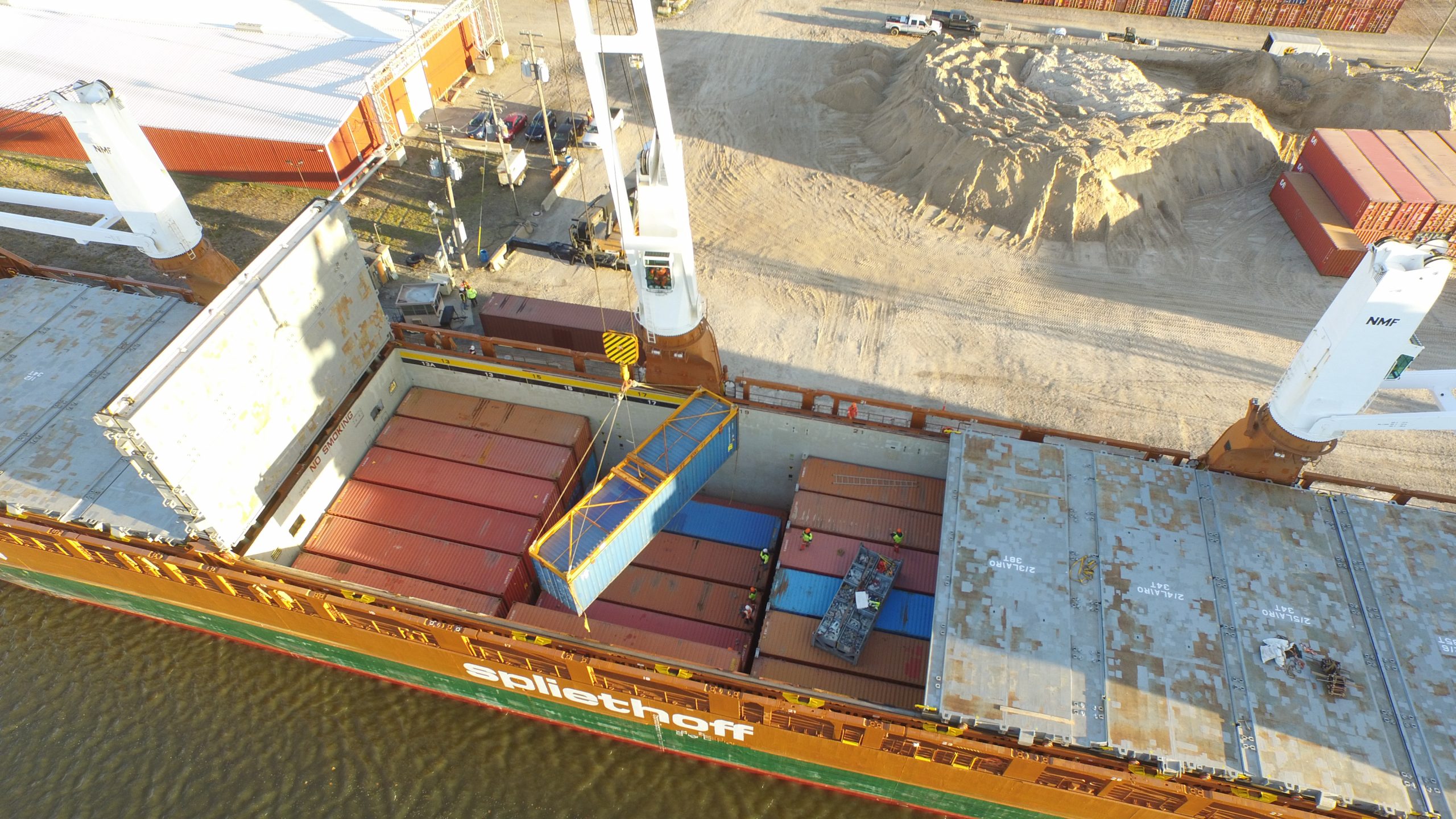
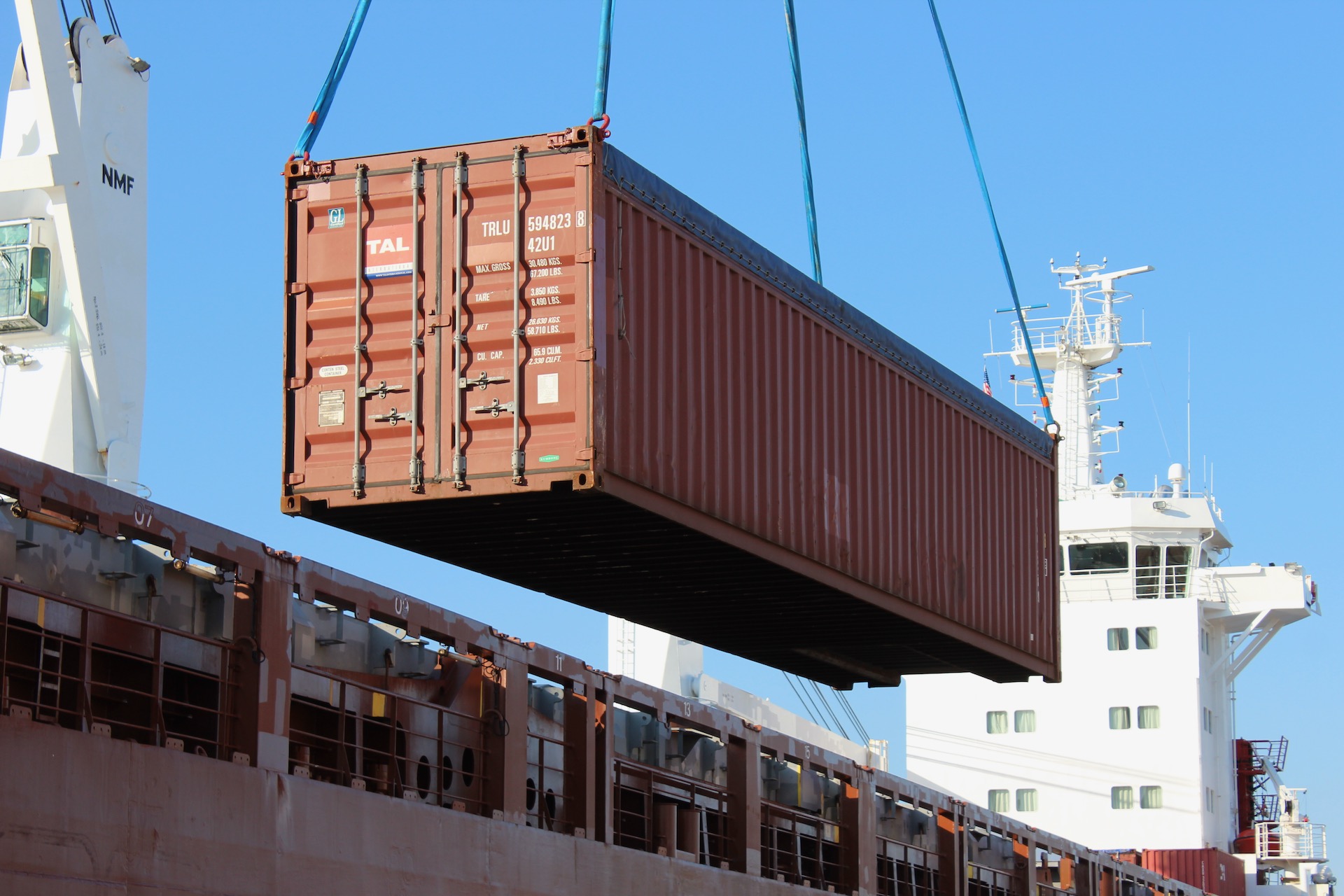
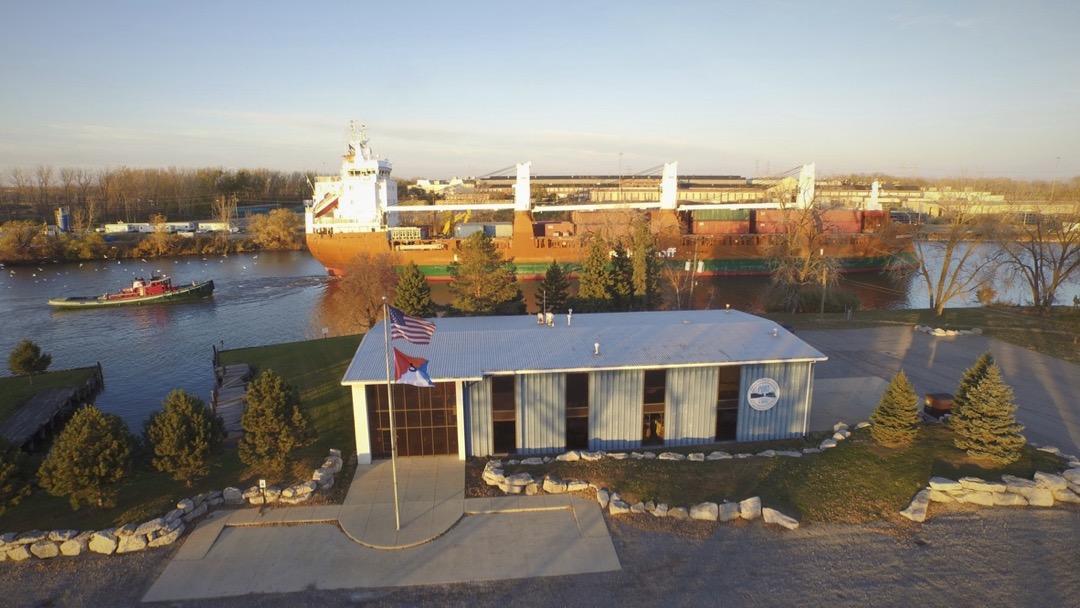
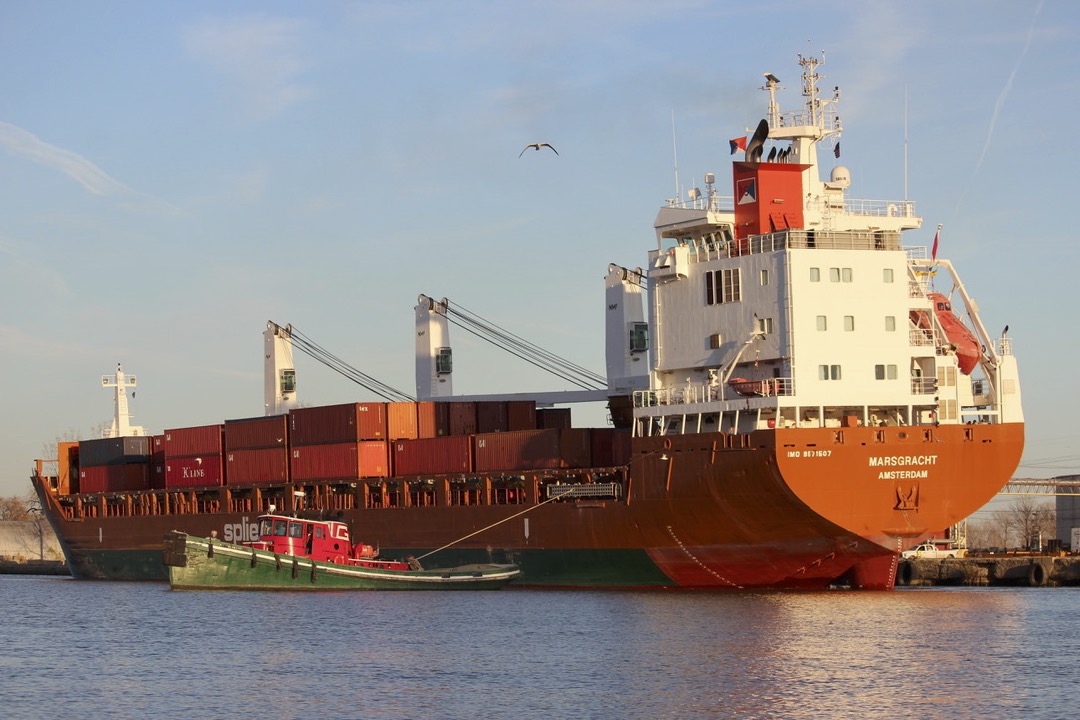
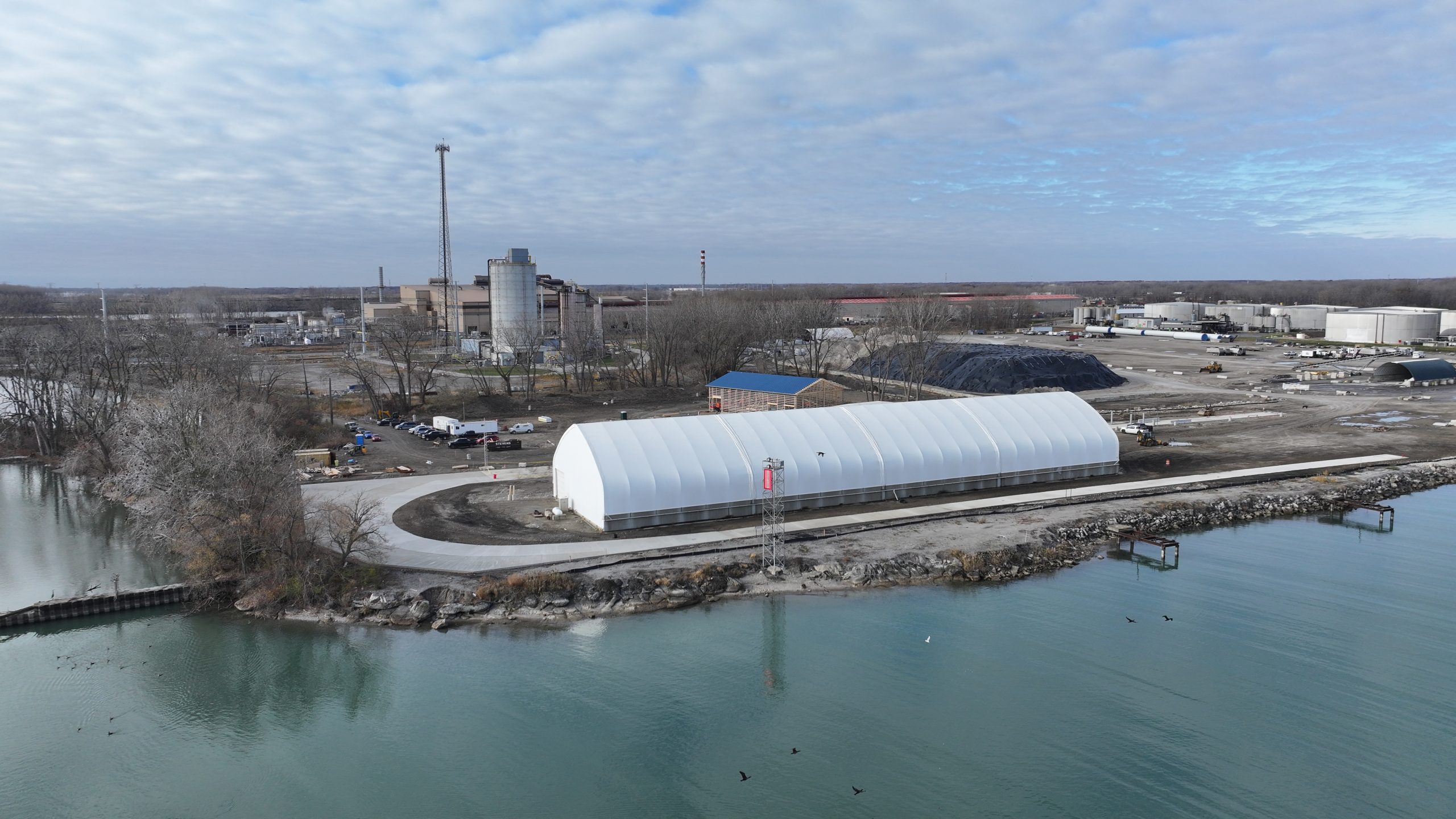
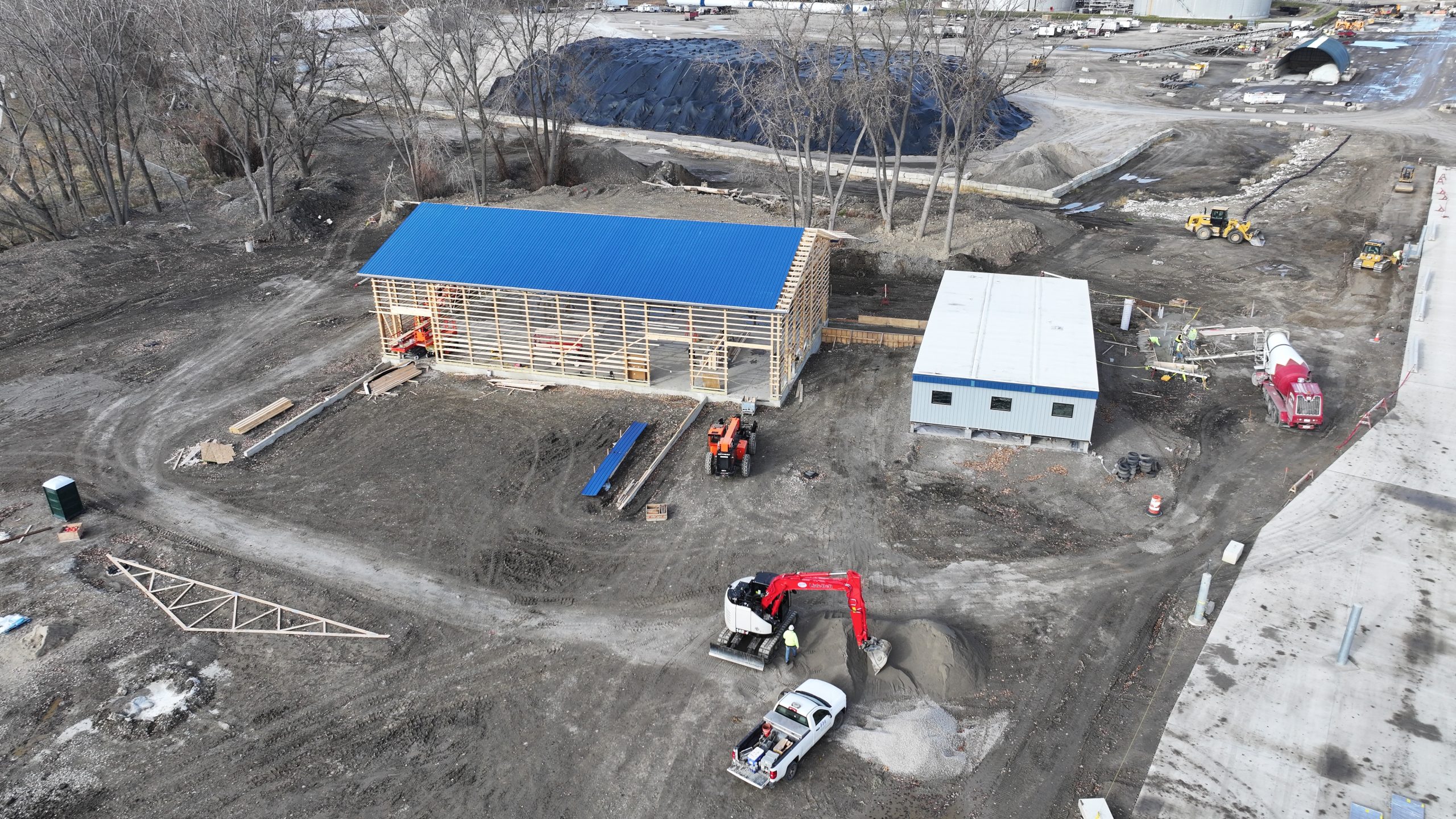
The Port of Monroe is preparing to open a new era of containerized freight services through the development of Michigan’s Maritime Gateway. This first-of-its-kind project will establish the State of Michigan’s first international container terminal on the Great Lakes, giving shippers a lawful, direct option for containerized maritime trade that has never existed in the region. Containers are often an essential part of larger project oriented breakbulk cargoes. The Port of Monroe has the only SAFE Port Act compliant facility for handling maritime originated crated breakbulk cargo in the State of Michigan.
What the Michigan Maritime Gateway Will Enable
The Maritime Gateway project represents a new logistics capability that expands the Port’s role beyond breakbulk and bulk operations:
- A SAFE Port Act-compliant container screening facility capable of processing international maritime containers
- Dual Class I rail connections and proximity to I-75 for seamless inland distribution
- An integrated inland gateway that supports both containerized and high-value industrial logistics
Why the Port of Monroe Works for Containerized Freight
Location, connectivity, and compliance are the core strengths driving this capability:
- Great Lakes access: direct marine access to the St. Lawrence Seaway and the heart of North American inland markets
- Intermodal integration: immediate rail links and interstate access for efficient onward movement
- Security compliance: first terminal in the Great Lakes designed to meet federal container scanning and inspection standards
- Strategic relief: a new alternative to coastal gateways for Midwest exporters and importers
What This Means for Shippers
The introduction of certified container handling at Monroe does more than add capacity — it changes what’s possible for supply chains in the region:
- New export pathways: automotive, machinery and agricultural goods will have an efficient route to global markets
- Reduced complexity: direct vessel service inland simplifies logistics compared to routing through distant coastal ports
- Resilience and redundancy: inland marine container options hedge against disruptions at coastal hubs
- Market responsiveness: rather than projecting throughput, the Port is enabling a lawful corridor and letting demand shape growth
Why Monroe Is the Solution for Your Container Needs
Containerized shipping has historically been constrained on the Great Lakes by the lack of compliant infrastructure. The Maritime Gateway solves this:
- First mover advantage: Michigan’s only compliant marine container terminal on the Great Lakes
- Integrated logistics: vessel, rail, and road access in one connected system
- Market opportunity: a practical entry point for carriers and operators in an underserved corridor
- Strategic position: close to Midwest manufacturing and export hubs